The idea of the Brain Song has spread quickly across social platforms. Many people describe it as a special audio track that can instantly boost focus, calm the mind, reduce stress, and even enhance productivity. Some compare it to meditation music, while others say it’s similar to neuroscience-based soundtracks used by platforms like Brain.fm.
But among all the hype, the main question remains: Is the Brain Song for real?
Is it backed by actual science, or is it just another viral concept?
Can sound waves truly affect your mental performance and emotional state?
To answer these questions clearly, let’s break down everything: what the Brain Song is, where it comes from, how it works, the scientific background, benefits, risks, and whether it’s genuinely effective.
What Exactly Is the Brain Song?
The term “Brain Song” doesn’t refer to one single official soundtrack. Instead, it’s a broad idea used online to describe audio designed to influence brain activity. Most Brain Songs are based on sound frequencies that attempt to shift your mental state into focus, relaxation, or creativity. They often use techniques like binaural beats, isochronic tones, layered frequencies, and ambient sounds.
There’s also the viral version of the Brain Song, especially on TikTok and YouTube, where clips promise that listening will boost intelligence, unlock brain power, or instantly cure stress. While these exaggerated claims attract attention, they don’t accurately reflect how the technology works.
The Science Origin Behind the Brain Song
The Brain Song concept didn’t appear randomly. It stems from decades of research in neuroscience, psychology, and audio engineering. Scientists have studied how sound affects brainwave patterns and discovered that certain audio frequencies can influence mental states.
This process is known as neural entrainment, where rhythmic sound patterns encourage the brain to shift into matching rhythms.
Your brain operates on different frequencies depending on what you’re doing.
Here’s a quick breakdown:
- Delta waves appear during deep sleep.
- Theta waves appear during meditation or deep relaxation.
- Alpha waves appear when you’re calm, creative, or lightly focused.
- Beta waves appear during active thinking.
- Gamma waves appear during high-level focus or problem-solving.
Brain Songs are usually created to guide you into one of these states using frequency-based sound.
How the Brain Song Works
The Brain Song works by stimulating your auditory system with carefully designed sound frequencies. Your brain interprets these frequencies and slowly begins aligning its electrical activity with the patterns it receives. This is not magic—it’s a natural neurological response.
When you listen to rhythmic or frequency-layered audio, neurons fire in sync with that rhythm. Over time, this can shift your mental state. For example, if you listen to audio in the alpha range, your mind may begin to feel calmer. If you listen to beta or gamma frequencies, you may become more alert and focused.
The effectiveness depends on consistency, listening environment, and the quality of audio engineering. Poorly designed Brain Songs won’t influence the brain much, which is why some people feel no effect from random YouTube tracks.
What the Brain Song Claims to Do
Different Brain Songs online promise different outcomes. Most revolve around improving mental or emotional performance. People commonly use these tracks for:
- Better focus during work or study
- Reducing anxiety and stress
- Improving sleep quality
- Enhancing creativity
- Supporting meditation
- Boosting overall mood
- Increasing productivity
Some creators exaggerate the claims, but the realistic benefits revolve around relaxation and concentration rather than supernatural improvements.
Is the Brain Song for Real?
The short and honest answer: Yes, the Brain Song is real, but not magical.
There is solid scientific evidence that sound frequencies can influence brainwaves. Many people genuinely experience better focus, calmer thoughts, and improved sleep when using properly designed Brain Songs.
However, it does not instantly raise intelligence, unlock hidden abilities, or guarantee results for everyone. The effects are subtle, natural, and vary from person to person.
It’s important to differentiate real neuroscience-based audio from viral, overhyped versions. A high-quality Brain Song can absolutely support mental focus or relaxation, but a random 20-second TikTok clip cannot reshape your brain.
Scientific Evidence Supporting Brain Songs
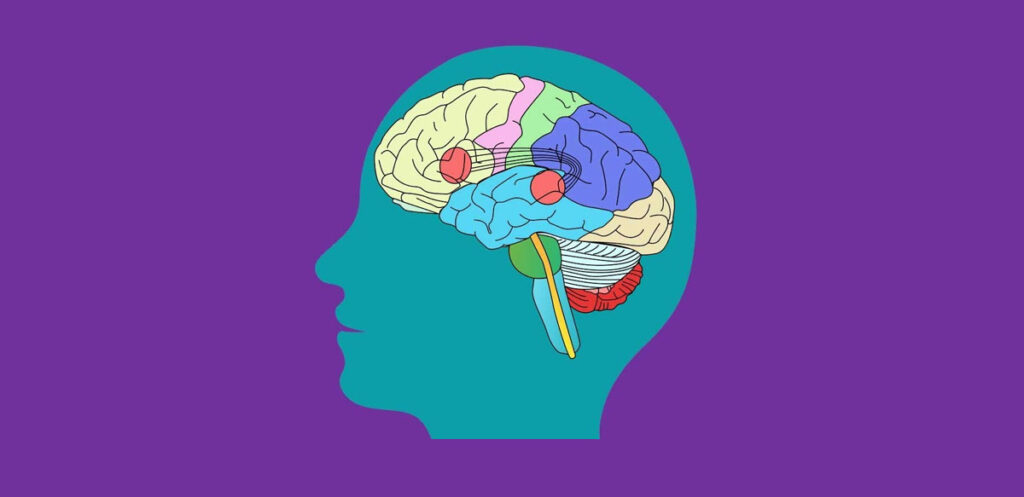
A number of studies support the idea of frequency-based audio for cognitive performance and emotional regulation.
Research shows that binaural beats—one of the most common elements in Brain Songs—can enhance focus and attention when used in the beta and gamma ranges. Other studies have demonstrated that alpha and theta frequencies help reduce anxiety and promote calmness. Delta frequency audio has been linked to improved sleep onset and deeper rest.
Neuroscientists often use EEG scans to observe how the brain reacts to rhythmic audio. The results consistently show that the brain synchronizes with external frequencies more easily than people expect. This forms the basis of brainwave entrainment, which is the foundation behind the Brain Song concept.
So yes, the core science is valid, even if social media sometimes exaggerates it.
Why Some People Say the Brain Song Doesn’t Work
Even though the science is real, not everyone feels an effect. There are several reasons:
Some people naturally have brains that resist entrainment or require higher-quality audio. Others try random tracks online that are not engineered correctly. Expectations also play a huge role; if someone expects instant genius-level focus or miraculous results, they will obviously feel disappointed.
Listening environment matters, too. Brain Songs work best with headphones and a quiet setting. If someone listens through low-quality speakers or in a busy environment, the effects become weaker.
So the Brain Song isn’t fake—it simply depends on conditions, just like meditation or exercise.
Who Benefits Most from the Brain Song?
Many different groups find Brain Songs helpful. Students often use them for study sessions, especially during long hours of reading or problem-solving. Remote workers and professionals use them to stay focused and avoid distractions in noisy environments.
People dealing with stress or anxiety find that calming Brain Songs ease their nervous system and help them return to a more balanced state. Meditation beginners also appreciate Brain Songs because the frequencies help guide their mind into a calm rhythm without much effort. Individuals with sleep issues commonly use delta-wave versions to fall asleep faster.
In general, anyone looking to improve focus, relaxation, or emotional clarity can benefit from the Brain Song.
How to Use the Brain Song Properly
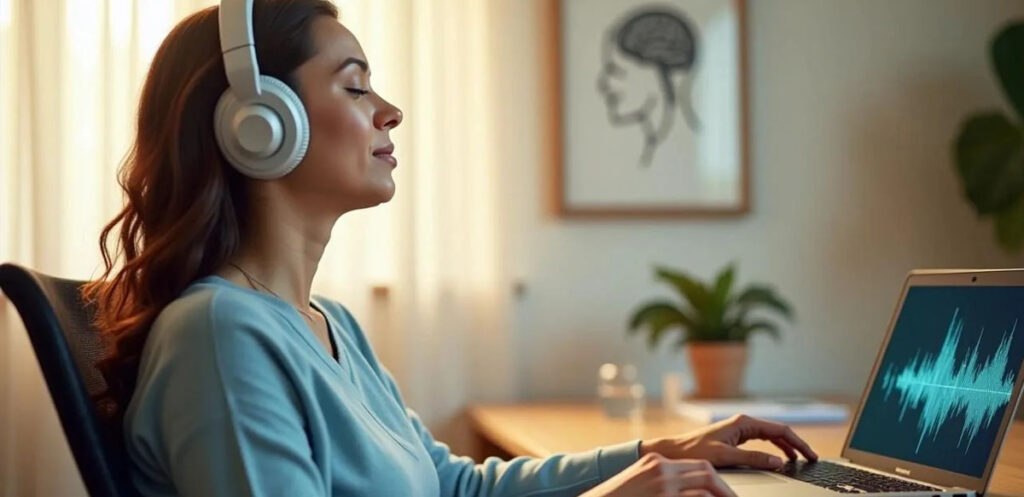
Using the Brain Song correctly can significantly increase the benefits. Listening through high-quality headphones is important because many Brain Songs use stereo separation to create the intended effect. The track should be selected according to your goal: higher frequencies for productivity and lower frequencies for calmness or sleep.
Listening for a minimum of 10 to 15 minutes allows your brain enough time to align with the frequencies. Consistency is also key; using Brain Songs regularly makes your mind adapt more easily. Beginners should avoid multitasking the first few times so they can fully feel the shift in mental state.
Are There Any Risks?
For most people, Brain Songs are safe. However, a few may experience discomfort such as mild headaches or dizziness, especially when exposed to high-frequency tones. People who are sensitive to sound may also feel irritated with certain tracks. These effects usually disappear quickly after stopping the audio.
As long as the volume is moderate and the audio source is reputable, Brain Songs pose no serious risks.
What Users Say About the Brain Song
Real experiences vary, but many users report noticeable improvements. People often say they can concentrate for longer periods, feel calmer during stressful moments, or fall asleep faster at night. Others mention heightened creativity during art, writing, or design tasks.
Of course, some users say they feel nothing at all or even find the sounds unpleasant. This is expected—human brains react differently just like they do with meditation, exercise, or supplements.
Final Verdict: Is the Brain Song for Real?
Yes, the Brain Song is real in the sense that it is built on legitimate neuroscience. Carefully designed sound frequencies can enhance focus, relaxation, and mental clarity for many people. The concept is not a myth, and the effects are measurable.
However, it is not a miracle that instantly changes your brain. The results are consistent but subtle, and they depend on your environment, the quality of the audio, and how you use it.
If you choose high-quality Brain Songs, use proper headphones, and listen consistently, you’re likely to experience noticeable improvements in mood, productivity, and focus.
FAQs
1. What is the Brain Song?
The Brain Song refers to audio tracks built with specific frequencies designed to influence brainwave activity and improve focus, relaxation, or sleep.
2. Is the Brain Song scientifically real?
Yes, the concept is based on real neuroscience. Sound frequencies can influence brainwave patterns, but effects vary from person to person.
3. Can the Brain Song increase IQ or intelligence?
No, it does not increase IQ. It may help improve focus, mood, and productivity, but it cannot make you smarter overnight.
4. How long should I listen to the Brain Song to feel results?
Most people need at least 10–15 minutes for the brain to begin synchronizing with the audio frequencies.
5. Are there any side effects of using the Brain Song?
Generally, it’s safe. Some people may experience mild headaches or discomfort depending on the frequency and volume.
6. Do I need headphones to use the Brain Song effectively?
For most versions, especially binaural beats, headphones are recommended for best results.